
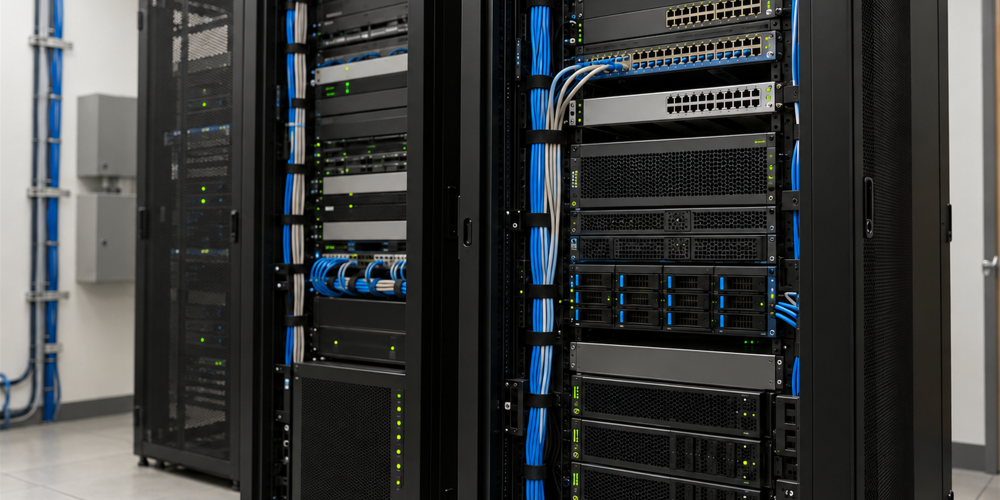
An MSP, or managed service provider, is a company that takes responsibility for agreed technology services on an ongoing basis. For a small business, that might involve user support, maintenance, network management or coordination of security and backups. The contract defines what is included.
Working with an MSP can be useful when technology responsibilities are unclear or the business needs support beyond the time and skills available internally. It is a service model to evaluate against your needs, rather than a requirement for every business.
How managed IT differs from one-off repairs
With a one-off repair, the immediate goal is usually to resolve a specific issue. A managed arrangement adds continuing responsibilities: who maintains systems, reviews problems, keeps documentation and plans changes. A business may use either model, or combine them.
For example, an illustrative office might call for help when a printer stops working but have no assigned owner for software updates or backup checks. An ongoing agreement can define those responsibilities. It does not automatically remove every outage or include every project.
What might be included in an MSP agreement?
- User support: help with agreed devices, accounts and applications.
- Maintenance: planned updates and review of supported equipment.
- Network management: oversight of the systems connecting the business.
- Security: specified protections and responsibilities for reviewing alerts.
- Backup management: agreed coverage, job review and recovery testing.
- Planning: advice about replacements, capacity and upcoming changes.
These are areas to discuss, not a promise that every provider includes them. Avanti’s managed IT services page introduces its approach; a proposal should make the actual scope clear for your business.
MSP, internal IT or a combination?
An internal employee may know your operations particularly well. An external provider may supply additional capacity or specialized support. Some businesses keep an internal decision-maker while assigning selected technical tasks to a provider.
Compare the options against the work that needs doing. Who will support users? Who will manage important changes? Who will keep documentation current? Who covers an absence? The strongest arrangement is one in which those questions have clear answers.
How pricing and support expectations work
Managed services are often offered as a recurring agreement, but the pricing basis and included work vary. Ask whether charges depend on users, devices, locations or selected services. Also ask which projects, equipment, licenses and emergency work are billed separately.
Distinguish the time to acknowledge a request from the time to resolve it. A provider can explain its escalation process and service commitments, but an issue involving a software vendor or failed equipment may require additional steps.
Security responsibilities remain shared
Giving a provider administrative access is a significant business decision. Ask which systems it can access, how that access is protected and what happens when an employee or technician leaves. Agree how suspected incidents are reported.
CISA’s guidance for MSPs and their customers emphasizes a shared commitment to security. Outsourcing technical work should make responsibility more explicit, not harder to identify.
Questions to ask before you choose
- Which devices, users and applications are covered?
- What are the support hours and after-hours arrangements?
- When is remote support used, and how are on-site visits scheduled?
- Who checks backups and documents recovery tests?
- Which security tasks belong to the provider and which remain with us?
- What documentation and access will we retain if the agreement ends?
If you are comparing local providers, our guide to choosing IT services near Carol Stream offers a practical evaluation checklist.
Let’s Talk about a solution for your IT needs
Explore Avanti’s managed IT services or contact Avanti to discuss the next step for your business.